Six moods, 70 styles
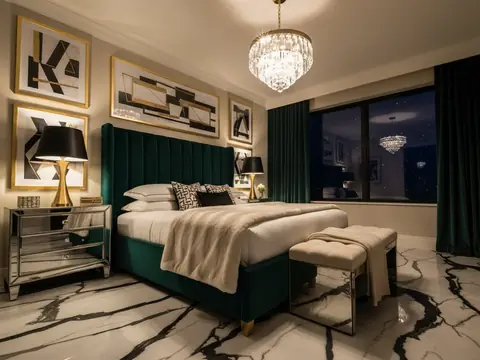
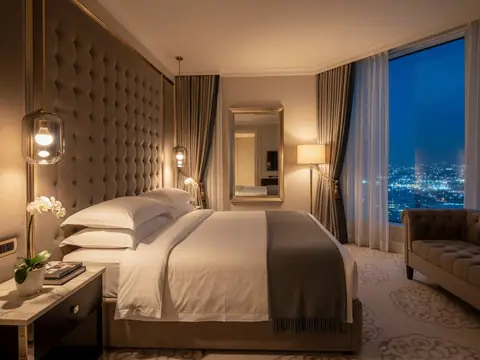
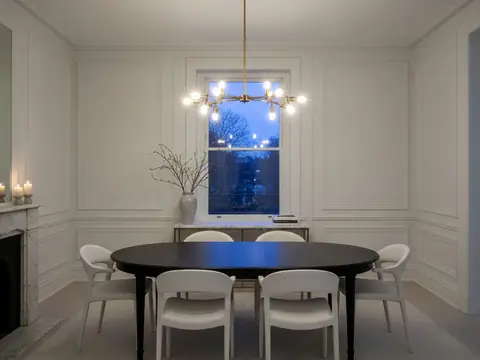
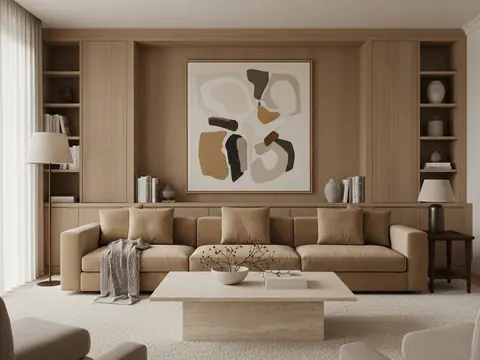
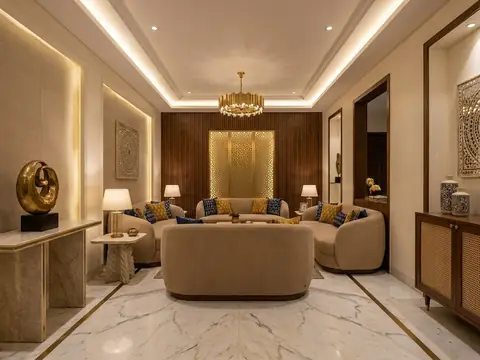
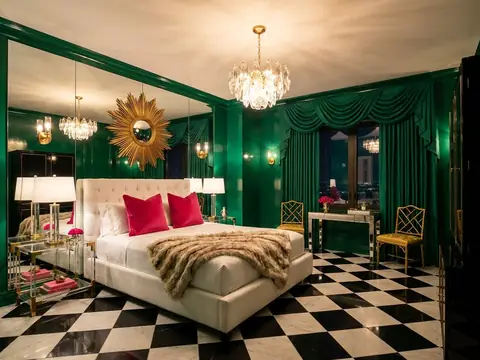
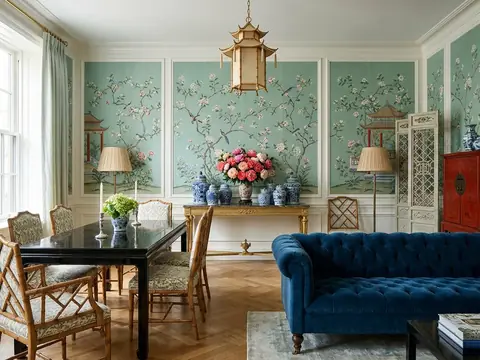
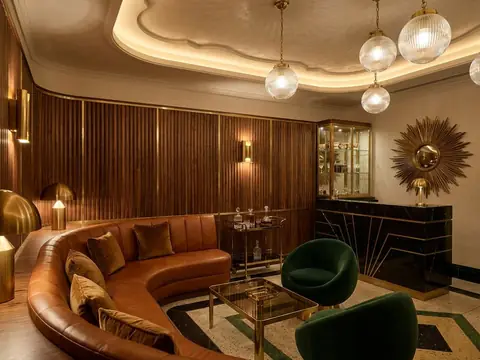
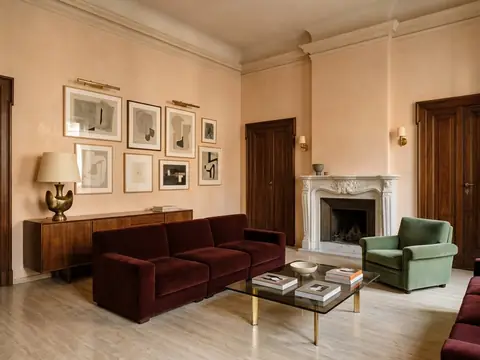
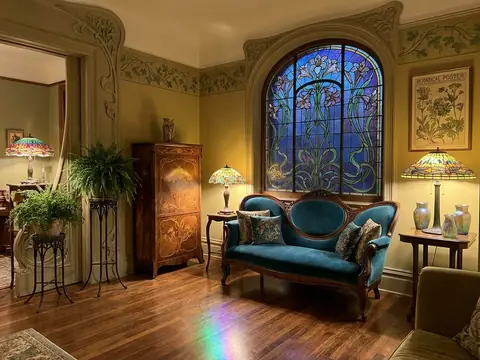
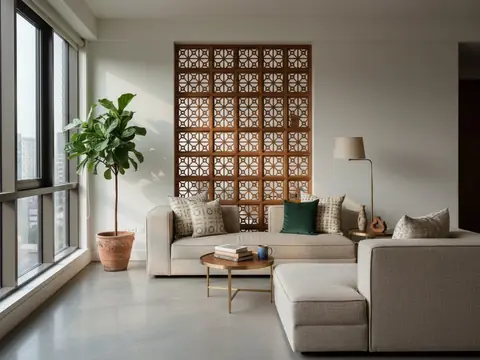
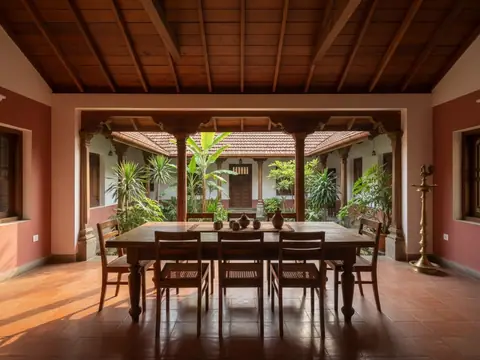
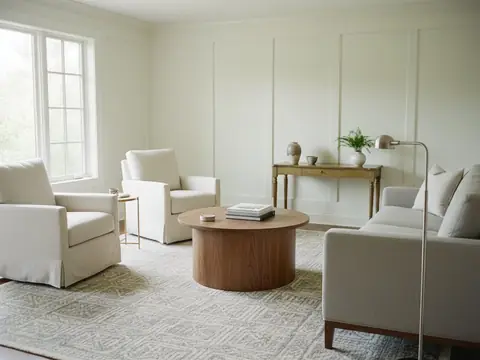
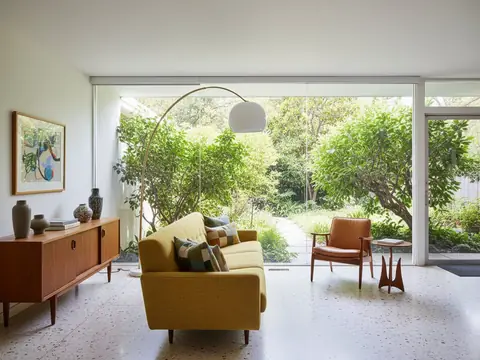
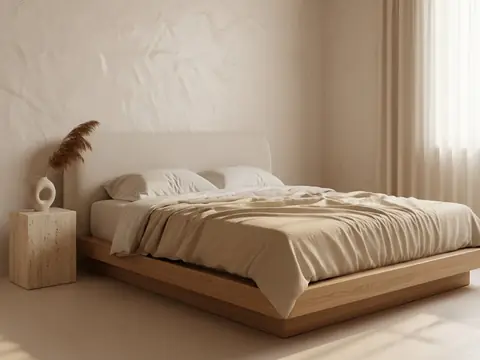
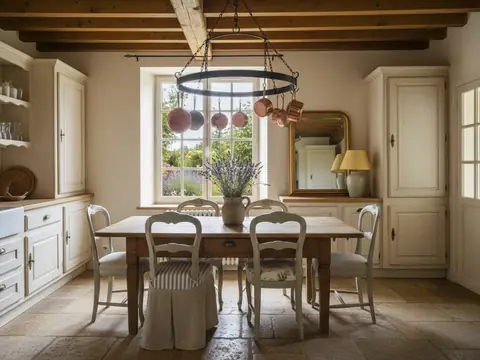
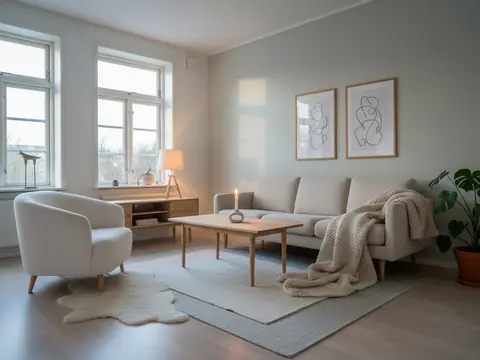
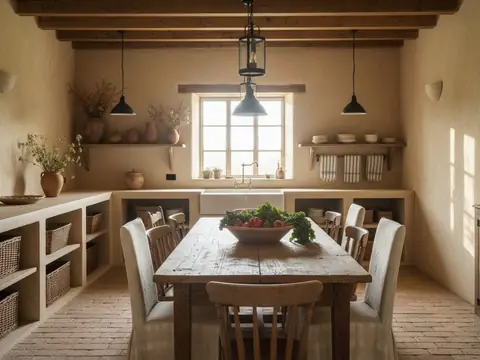
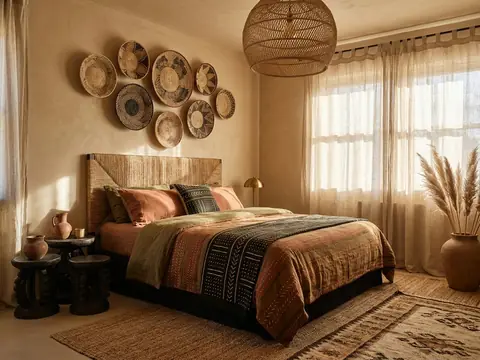
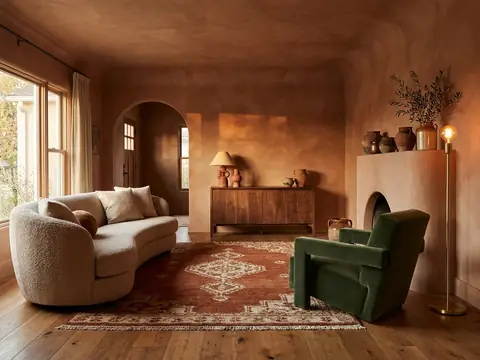
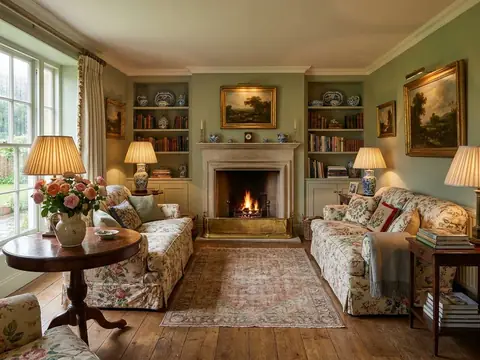
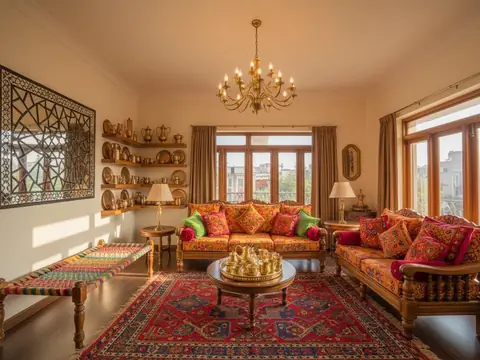
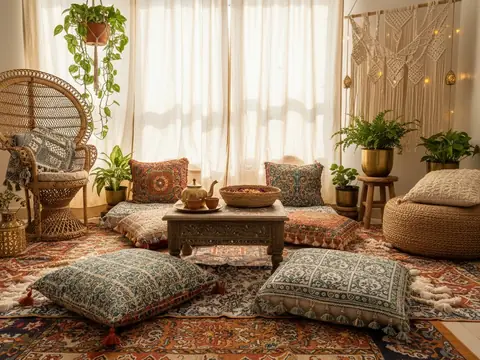
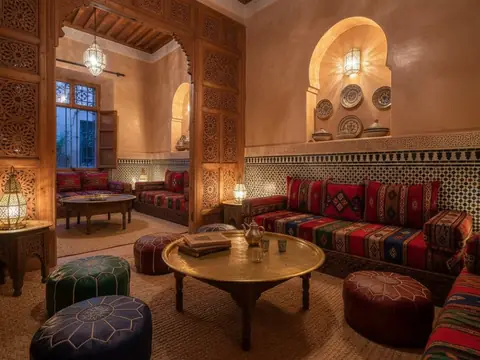
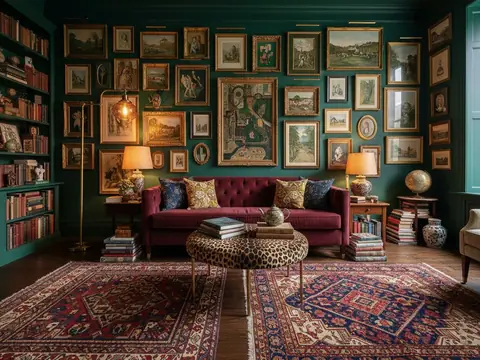
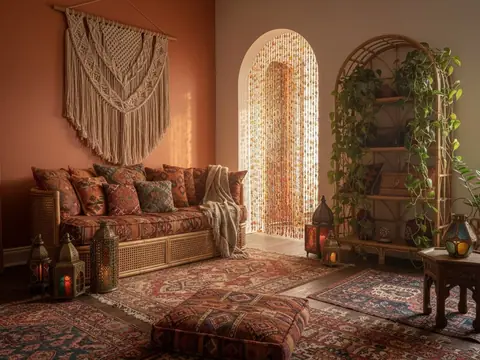
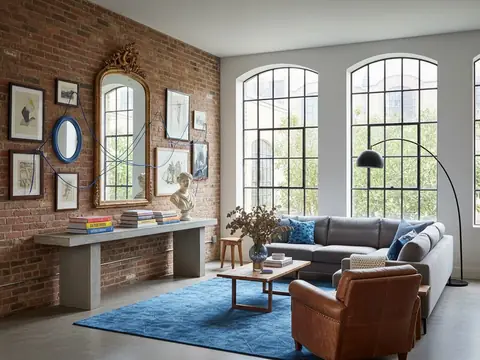
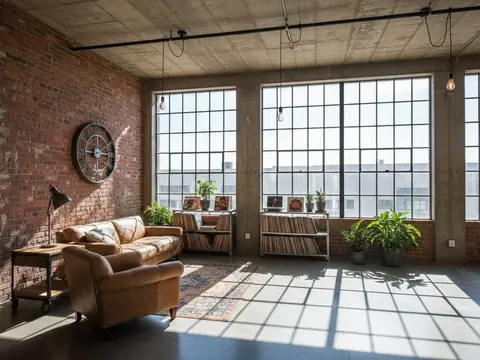
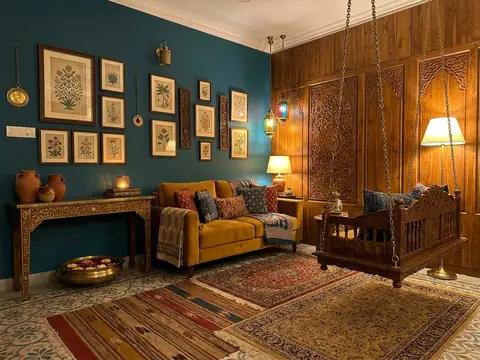
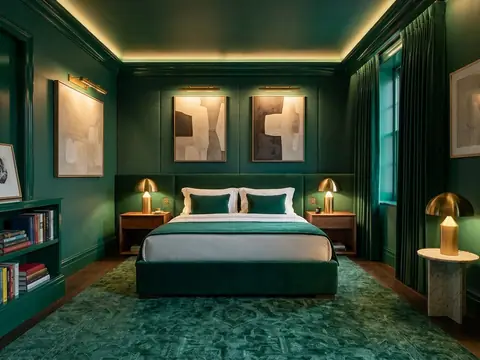
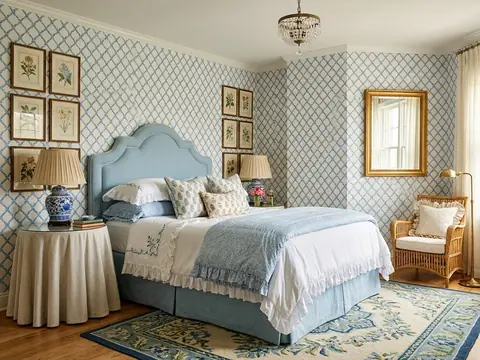
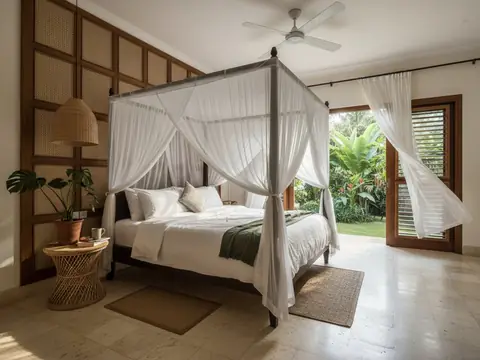
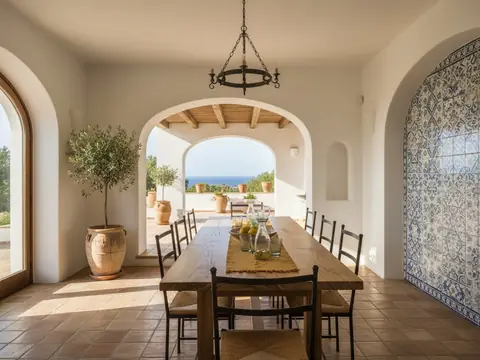
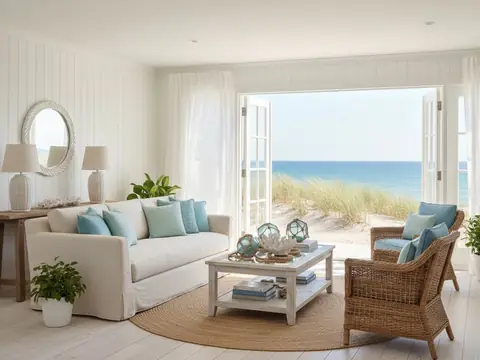
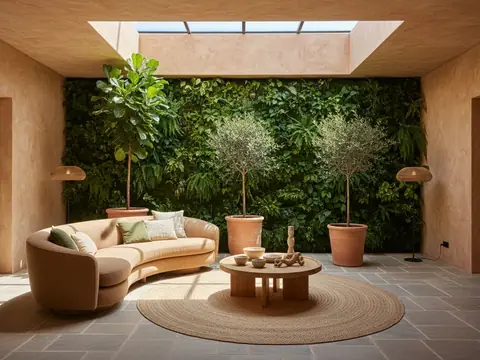
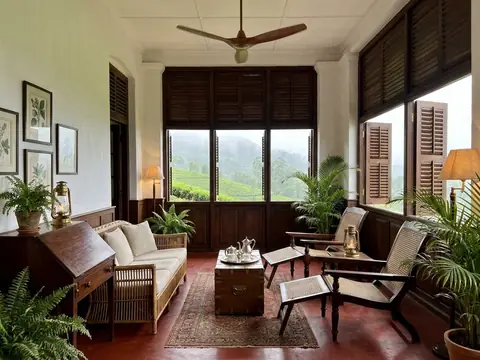
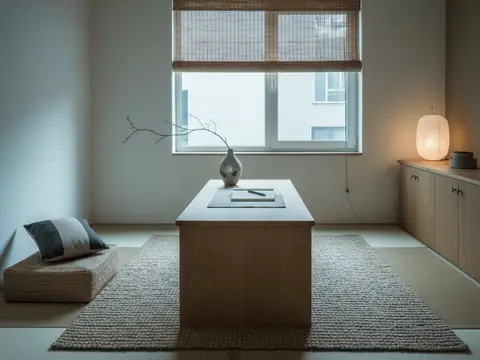
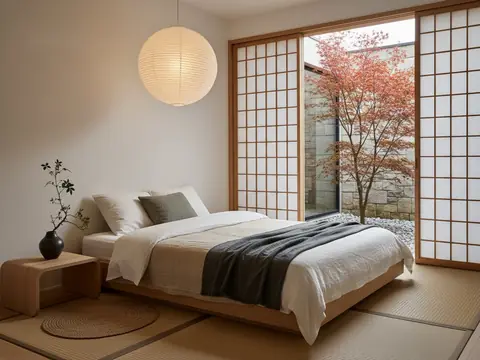
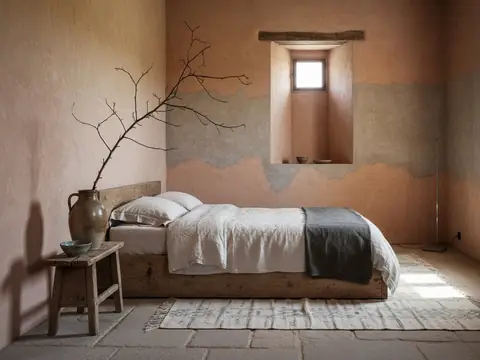
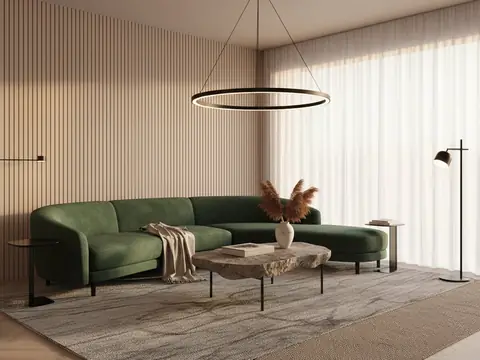
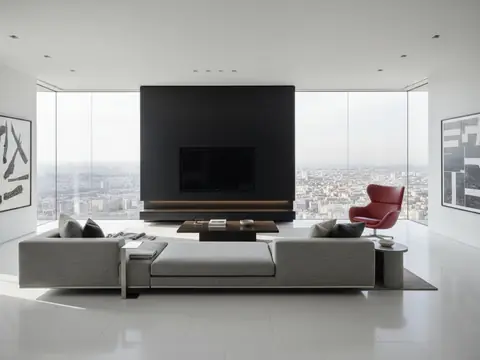
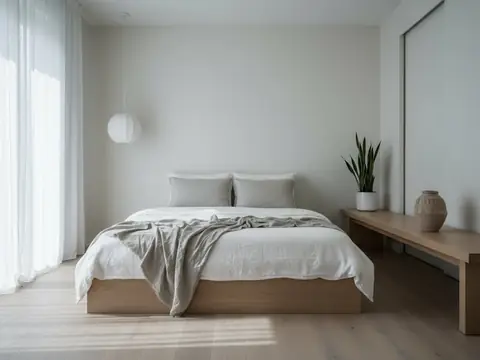
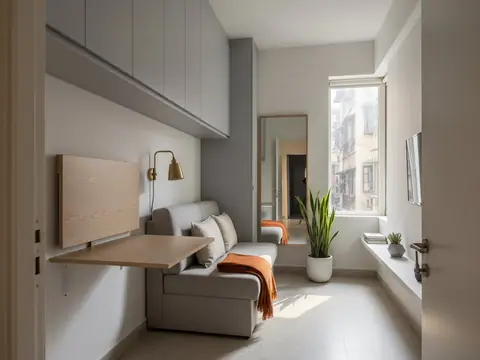
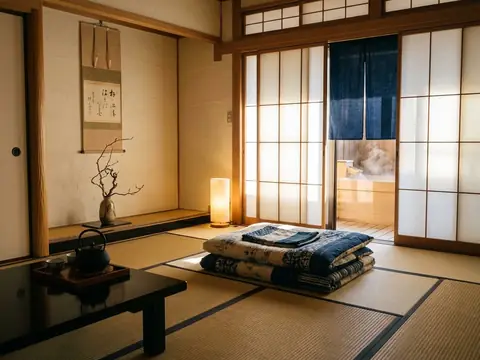
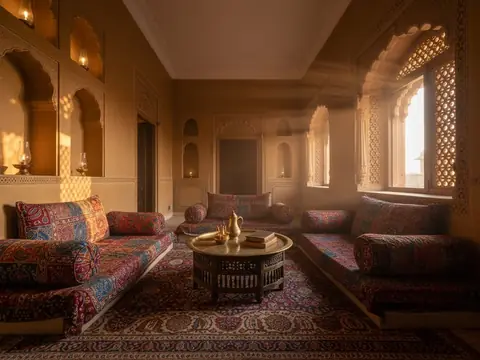
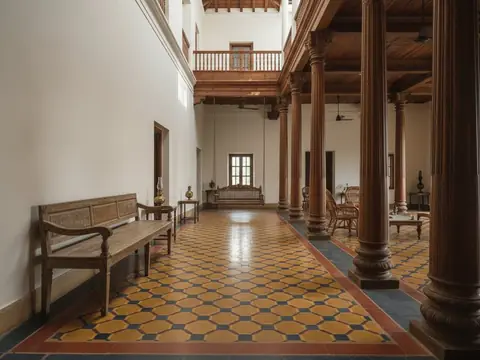
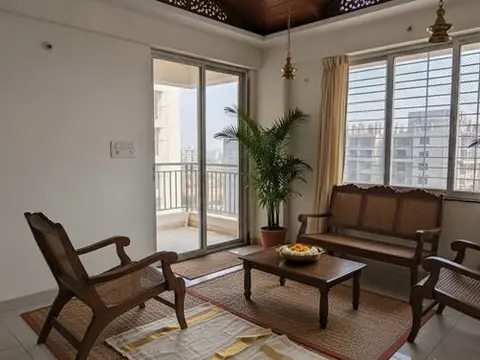
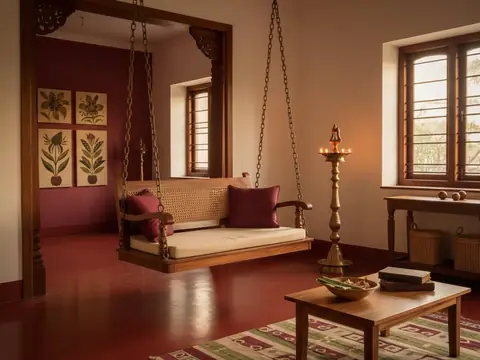
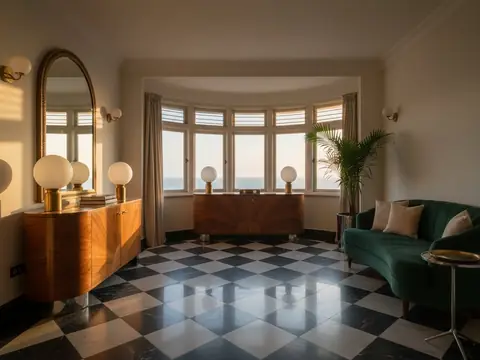
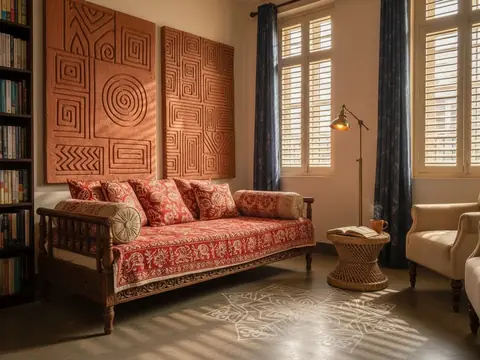
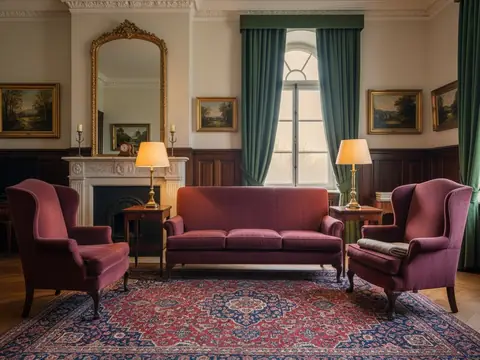
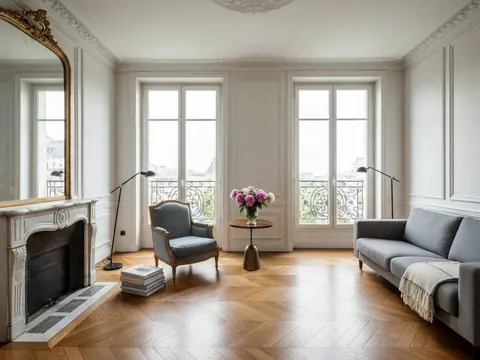
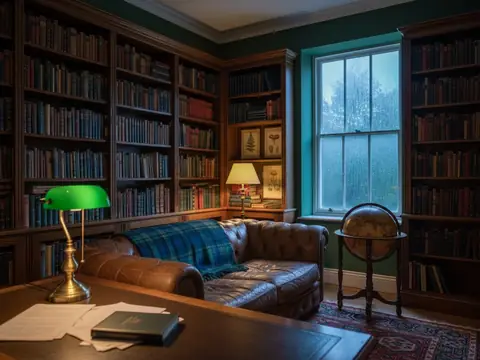
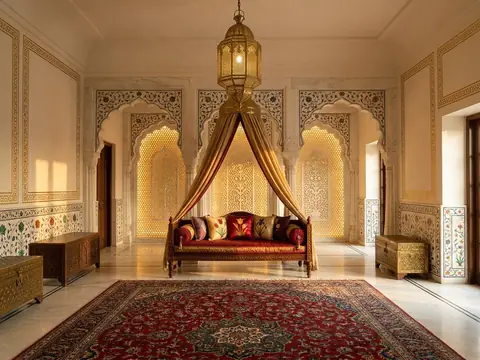
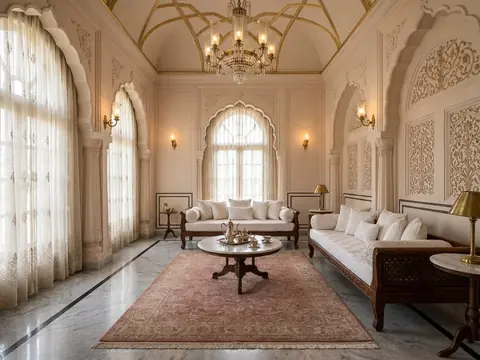
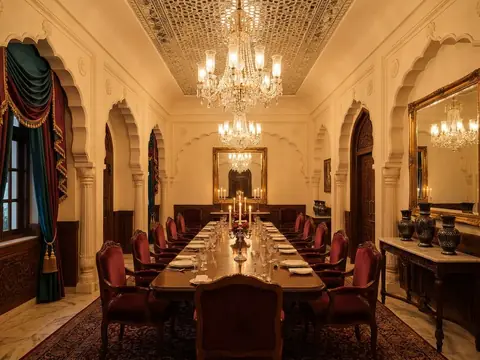
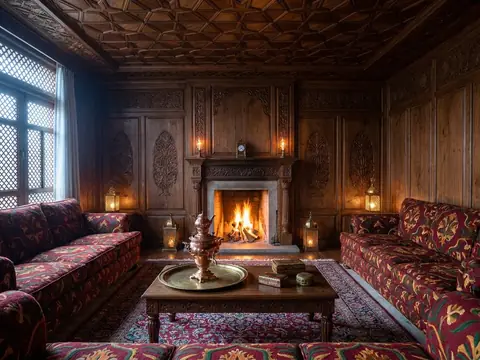
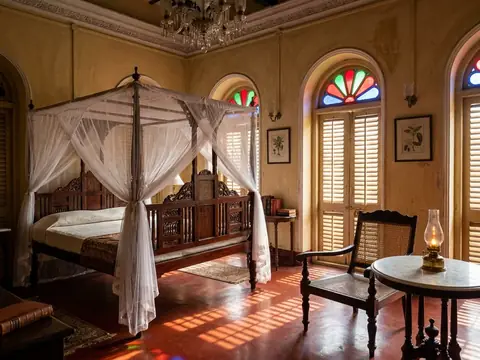
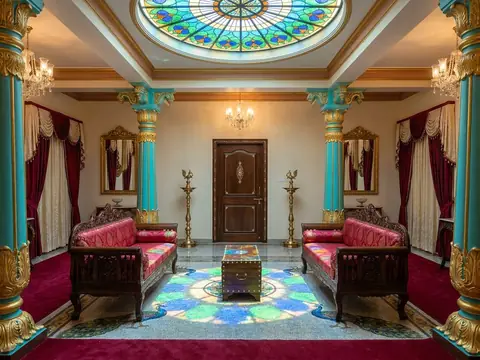
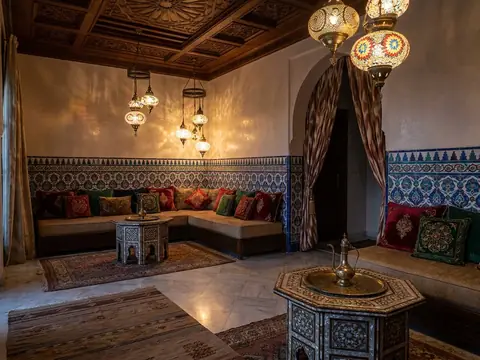
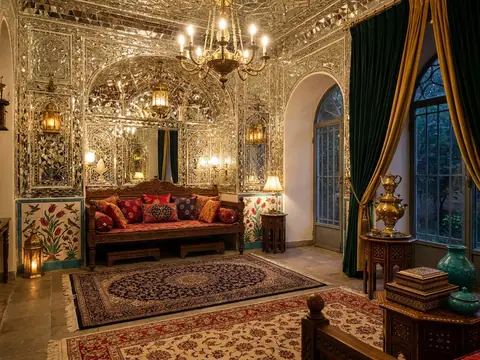
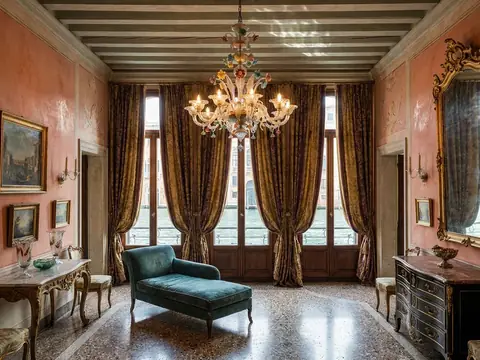
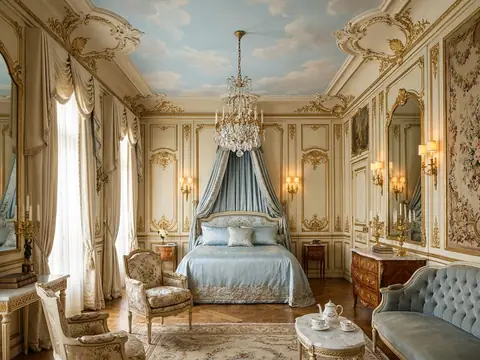
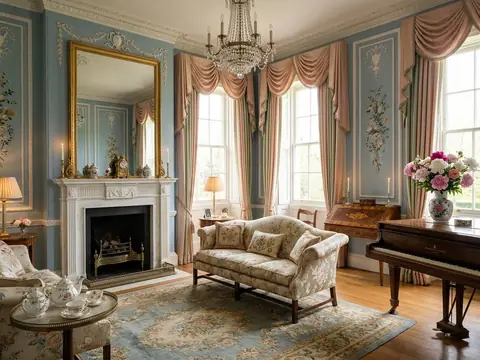
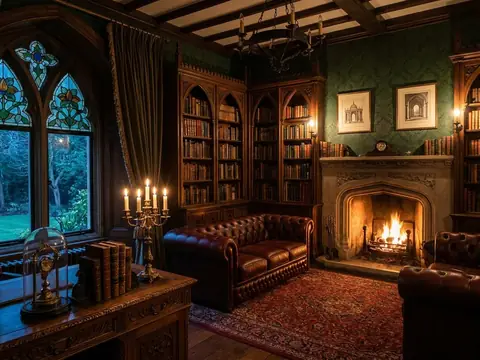
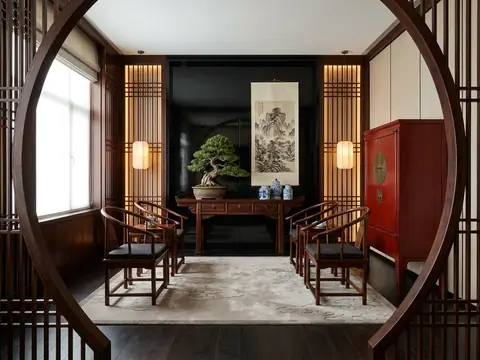
Luxe & Glam (10): deco brass, lacquer, velvet and hotel-suite calm — Quiet Luxury, Indo-Modern Luxury, Hollywood Regency, Neo Deco. Warm & Earthy (13): teak, cane, terracotta and limewash — Indo Contemporary, Kerala Wood, Organic Modern, Scandinavian Warm. Bold & Colourful (10): phulkari brights and jewel-drenched walls — Punjabi Vibrant, Boho Indian, Moroccan, Maximalist. Coastal & Natural (7): Goan verandahs, Balinese timber and a lot of green. Calm & Minimal (8): Japandi quiet and compact-city clever — Japandi, Wabi-sabi, Minimal Modern, Mumbai Compact. Royal & Heritage (22): haveli arches, Chettinad pillars and Mughal marble beside their cousins from Venice, Isfahan and Istanbul. And 16 façades for the outside of the house.
How to choose a style for your home
Start with how you want the room to feel, not with a name — calm, warm, grand or lively — and pick the mood first. Then look at what you are keeping: a teak sofa set leans warm and earthy; grey vitrified floors and white walls sit easily in calm and minimal. Think about light: deep, rich styles need good daylight or warm lamps, and a small north-facing room is happier in a lighter mood. Consider upkeep — cane, linen and limewash age gracefully; high gloss and velvet need care. Most good Indian homes mix one main style with a few pieces from another. Try two or three on your own room before you decide.
See a style as your room, not a stock photo
A style is only useful if you can picture it in the room you are designing. Many of the modern styles can be previewed as a kitchen, a dining room, a study or a child's bedroom, so you do not have to imagine a kitchen from a picture of a sofa. In Ideas, filter the picture wall by room — living, bedroom, kitchen, dining, study, kids — heart the looks you love, collect them on a board and share one link with your family or your designer. When one catches your eye, tap Try on my room, photograph it, and see that style on your walls in about 30 seconds.
Indian and global, side by side
Indian homes are rarely one thing. A Chettinad pillar sits happily next to a Scandinavian sofa; a Kerala wood ceiling suits a Japandi bedroom. That is why Nivista puts Indian and global styles together in each mood instead of on separate shelves. You will find Indo Contemporary next to Organic Modern, Goan Portuguese next to Mediterranean, Mughal Marble next to Venetian Palazzo. Every style is written to bring real layers — textiles, lamps, art and a few textured materials — so a room looks lived-in, not empty. Every result can become a seven-second before-and-after video for the family group.