
Japandi Interior Design Ideas for Indian Homes
Japandi blends two traditions that share a love of simplicity: Japanese minimalism, with its respect for natural materials and imperfection, and Scandinavian design, with its focus on comfort and function. The result is low pale-oak and bamboo furniture, linen, stone and paper textures, earthy neutrals and very few, carefully chosen objects. It became popular worldwide in the late 2010s and fits Indian apartments well, because it makes compact rooms feel larger and calmer, provided clutter has a closed place to go.
Free to join · 3 credits to start · No card
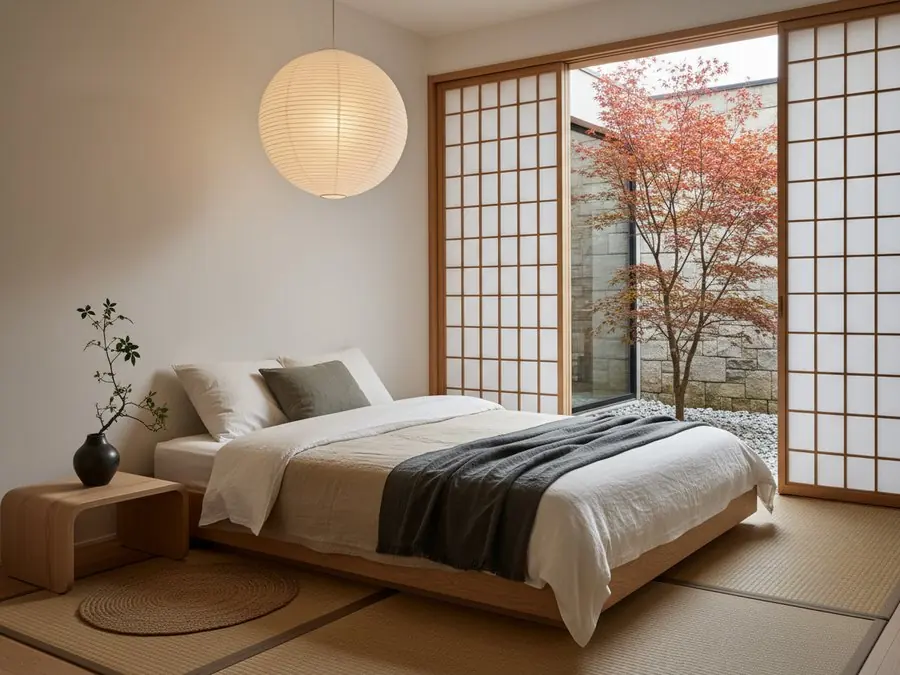
What defines it
- Low-profile pale oak and bamboo furniture
- Linen upholstery and paper lantern pendant
- Natural stone side tables and accents
- Single ikebana-style branch arrangement
- Clutter-free surfaces with hidden storage
Colours
warm white · beige · charcoal · sage
Works best in
living room · bedroom · study · dining room
For Indian homes
Paper lanterns and pale linen show dust and kitchen grease quickly in Indian cities, so pick washable linen-cotton covers and a rice-paper-look acrylic or fabric shade that can be wiped clean.
How it works
- 1Take one photo of your room — any phone, any light.
- 2Pick a style, a colour or a look. Change only what you ask for.
- 3See the finished room in about 30 seconds, then try another.
Questions people ask
What is Japandi style?
Japandi is a hybrid of Japanese and Scandinavian design: low, clean-lined furniture in light wood, natural textures, a muted earthy palette and a strong emphasis on decluttering, craftsmanship and calm.
What colours work for a Japandi room?
Warm whites, oatmeal and beige for walls; pale oak and bamboo for wood; charcoal or black for contrast; and muted sage, clay or stone for accents. Avoid bright saturated colours and high gloss.
Try it on your own room
See it on a photo of your own room before you spend anything.
More in this mood
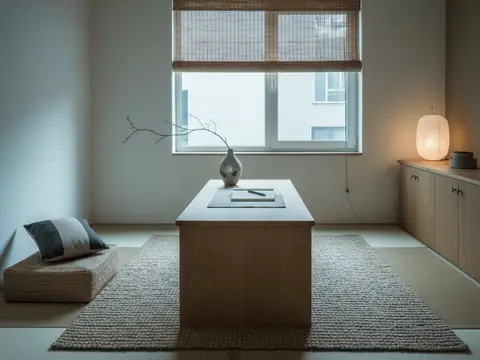 Japandi IndiaJapanese calm meets Indian craft: low lines, natural fibres, quiet warmth.
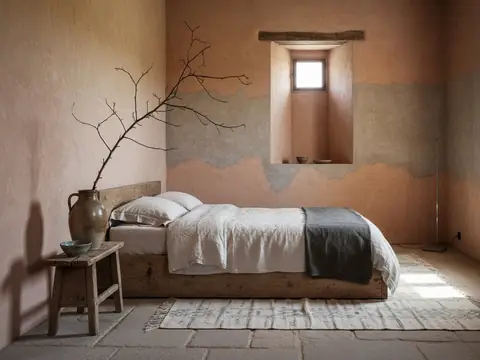 Wabi-sabiBeauty in imperfection: raw plaster, aged wood, handmade ceramics, muted earth.
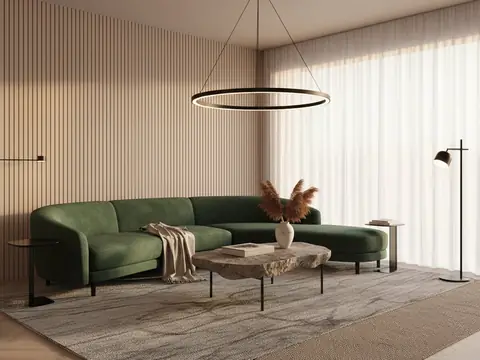 ContemporaryThe here and now: fluid curves, lustrous velvet, sleek metal and a statement light.
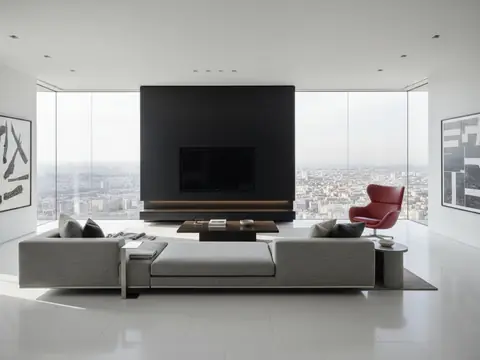 ModernClean lines, glass and steel, a neutral black-white-grey palette, nothing extra.
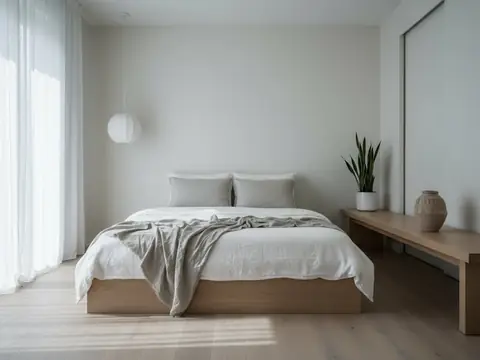 Minimal ModernCalm, uncluttered minimalism with natural textures.
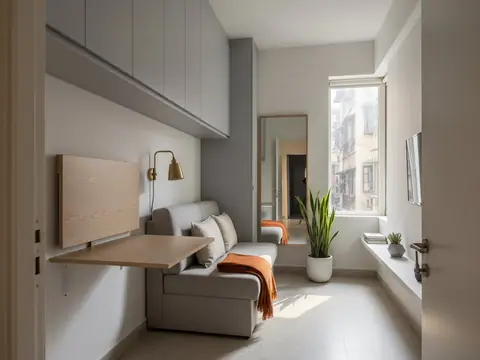 Mumbai CompactSmart space-saving design for compact city flats.
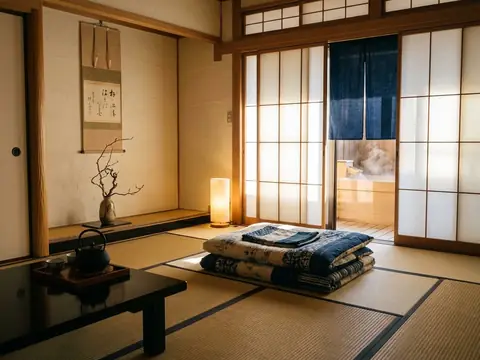 Japanese RyokanInn-style serenity: tatami, shoji screens, cypress wood and paper light.