
Wabi-sabi Interior Design Ideas for Indian Homes
Wabi-sabi is a Japanese way of seeing beauty in things that are imperfect, impermanent and incomplete: a cracked bowl, weathered wood, uneven plaster. As an interior style it means raw textured walls in clay and stone tones, aged reclaimed timber, unpolished stone, natural linen, handmade ceramics and very few objects, all lit by soft, shadowy daylight. It feels quietly soulful. Indian homes are rich in this spirit already, from hand-thrown matkas to old doors, so it is easy to source authentically here.
Free to join · 3 credits to start · No card
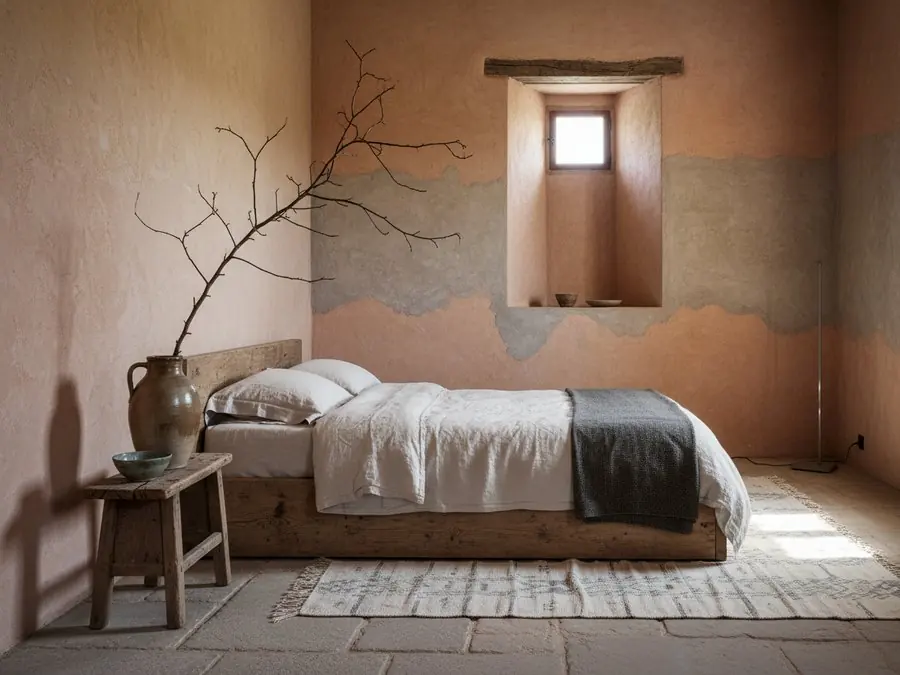
What defines it
- Raw textured lime-plaster walls
- Aged reclaimed wood with visible grain
- Handmade rustic ceramics and stoneware
- Unpolished stone floor or surfaces
- Natural linen bedding and upholstery
Colours
clay · stone grey · muted ochre · unbleached linen
Works best in
bedroom · living room · study · dining room
For Indian homes
Reclaimed wood from old doors and beams is widely available in Indian salvage markets, but have it treated against termites and borers before it comes indoors.
How it works
- 1Take one photo of your room — any phone, any light.
- 2Pick a style, a colour or a look. Change only what you ask for.
- 3See the finished room in about 30 seconds, then try another.
Questions people ask
What does wabi-sabi mean in interior design?
It means choosing natural, handmade and aged materials, accepting wear and irregularity, and keeping only meaningful objects. The room feels calm, organic and personal rather than polished or perfect.
How is wabi-sabi different from minimalism?
Both are sparse, but minimalism prizes clean, flawless surfaces and perfect finishes. Wabi-sabi prizes texture, patina and imperfection, so it feels warmer, earthier and more lived-in.
Try it on your own room
See it on a photo of your own room before you spend anything.
More in this mood
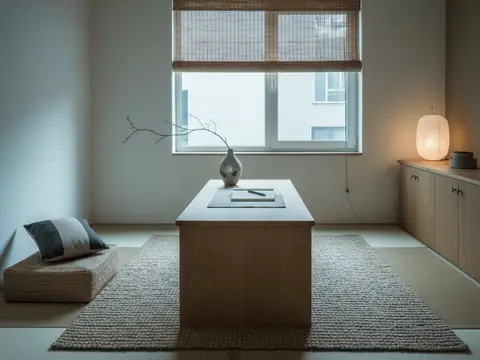 Japandi IndiaJapanese calm meets Indian craft: low lines, natural fibres, quiet warmth.
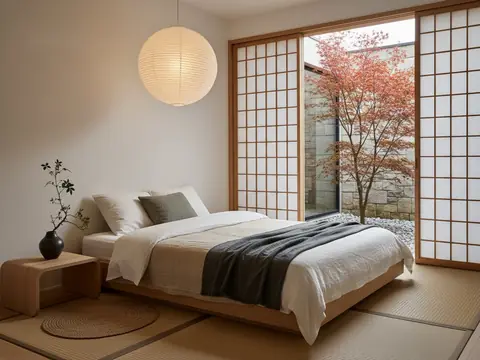 JapandiJapanese Zen meets Scandinavian function: bamboo, stone, linen, earthy calm.
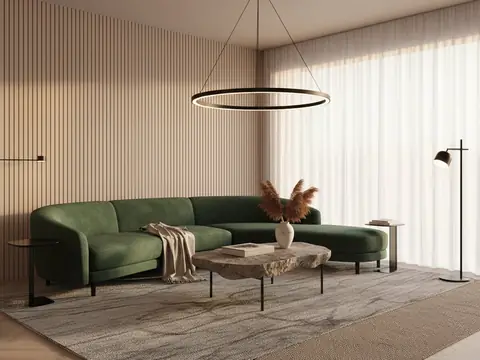 ContemporaryThe here and now: fluid curves, lustrous velvet, sleek metal and a statement light.
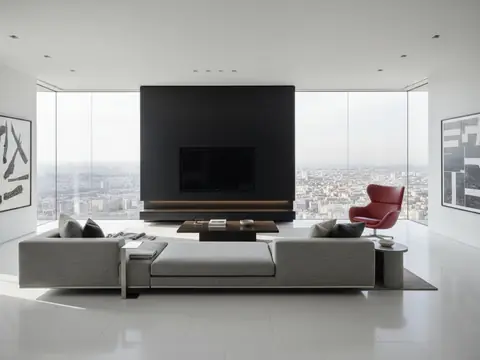 ModernClean lines, glass and steel, a neutral black-white-grey palette, nothing extra.
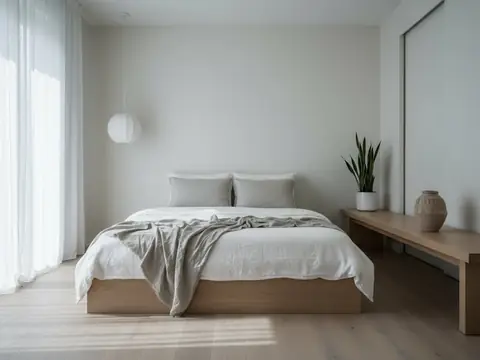 Minimal ModernCalm, uncluttered minimalism with natural textures.
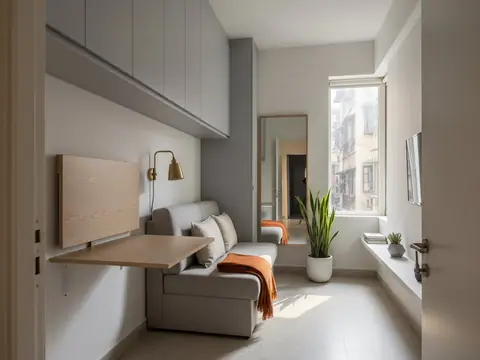 Mumbai CompactSmart space-saving design for compact city flats.
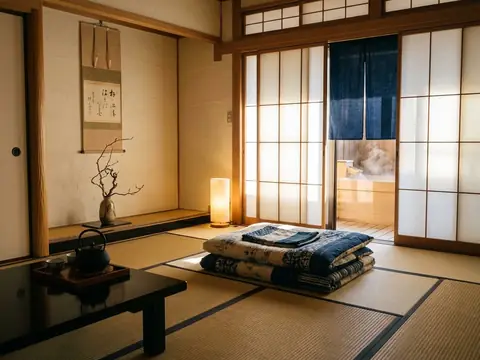 Japanese RyokanInn-style serenity: tatami, shoji screens, cypress wood and paper light.