
Victorian Gothic Interior Design Ideas
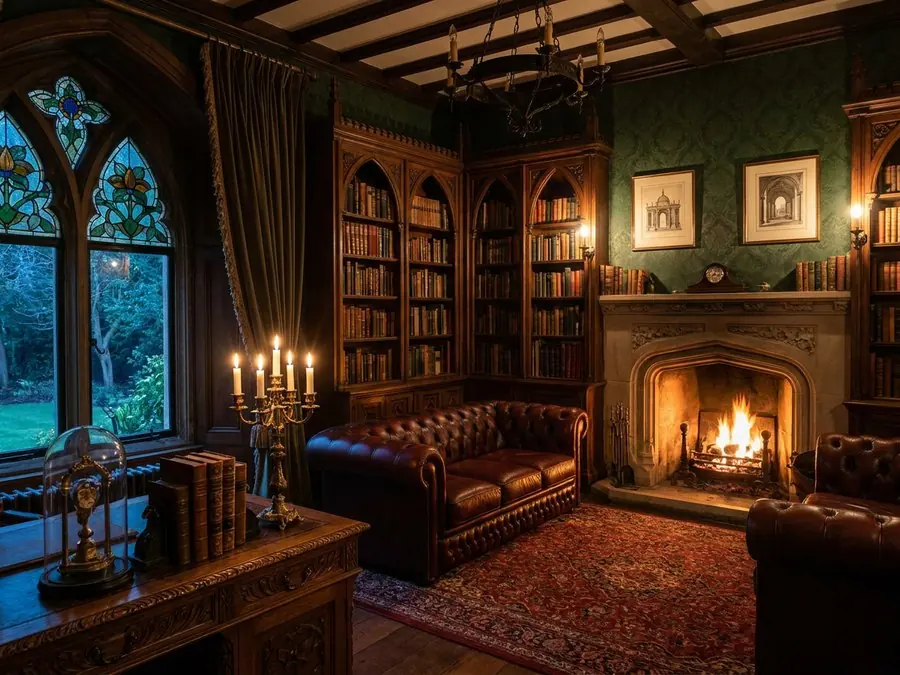
Victorian Gothic, or Gothic Revival, flourished in Britain from about the 1830s to the 1880s, reviving the pointed arches and tracery of medieval architecture. Interiors were dark and richly layered: oak panelling, beamed ceilings, stained glass in floral and geometric patterns, damask wallpaper, encaustic tile floors and heavy carved furniture. The mood is dramatic and enveloping. India has its own Gothic Revival heritage in Mumbai's colonial buildings, so the style can feel surprisingly at home in a study or library.
Free to join · 3 credits to start · No card
What defines it
- Dark-stained oak panelling and beamed ceilings
- Pointed-arch doorways and window tracery
- Stained glass in floral and geometric patterns
- Deep green or oxblood damask wallpaper
- Patterned encaustic tile floors
Colours
oxblood · forest green · dark oak · antique brass
Works best in
study · living room · bedroom
For Indian homes
Damask wallpaper can bubble in humid rooms, so in coastal cities use a stencilled damask pattern in paint or a vinyl-backed paper with good ventilation.
How it works
- 1Take one photo of your room — any phone, any light.
- 2Pick a style, a colour or a look. Change only what you ask for.
- 3See the finished room in about 30 seconds, then try another.
Questions people ask
Where can I see Gothic Revival architecture in India?
Mumbai is home to some of the finest examples, including the Victorian Gothic buildings of the Fort area, now part of a UNESCO World Heritage site. Many colonial-era churches, colleges and railway buildings across India share the style.
How do I keep a Victorian Gothic room from feeling gloomy?
Balance dark panelling with warm, layered lighting, keep the ceiling a shade lighter, and add a jewel-toned rug and brass accents. Stained glass that catches sunlight also lifts the mood.
Try it on your own room
See it on a photo of your own room before you spend anything.
More in this mood
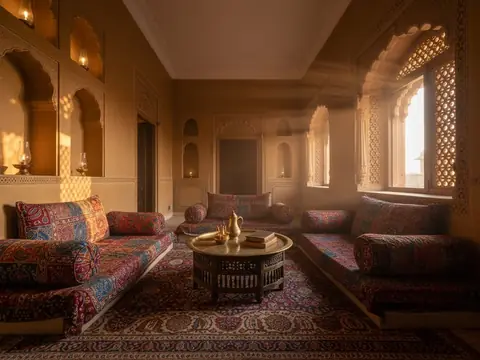 North Indian RoyalRich Rajasthani-inspired opulence: jharokhas, deep colours and gold.
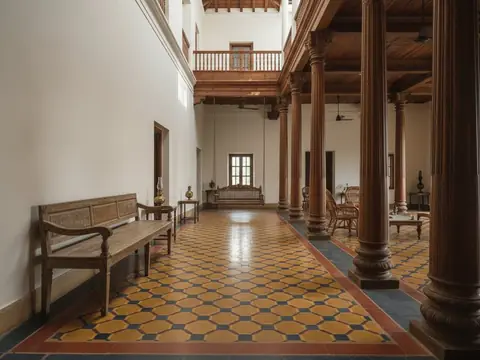 Chettinad HeritageAthangudi tiles, carved teak pillars and antique brass — Chettinad mansion grandeur.
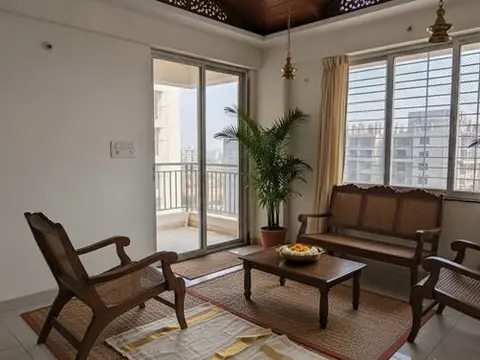 Kerala NalukettuAncestral tharavad charm: dark polished teak, oxide floors and brass urulis.
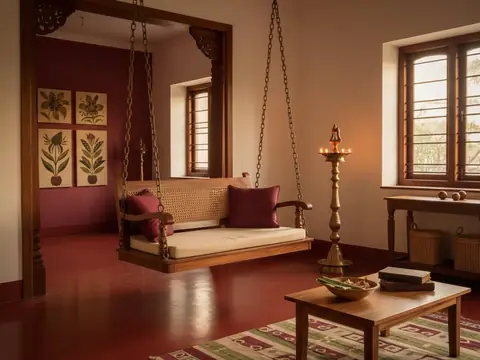 South Indian TraditionalRosewood, brass lamps and warm earthy tones — classic South Indian warmth.
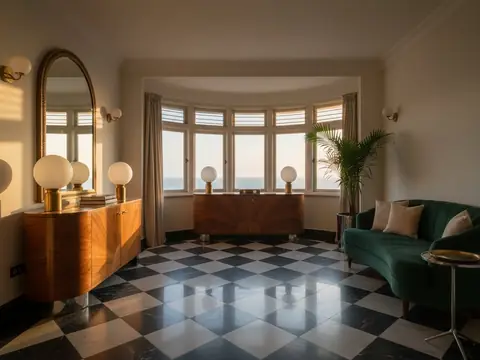 Art Deco BombayMarine Drive glamour: curved wood, geometric patterns and jazz-age brass.
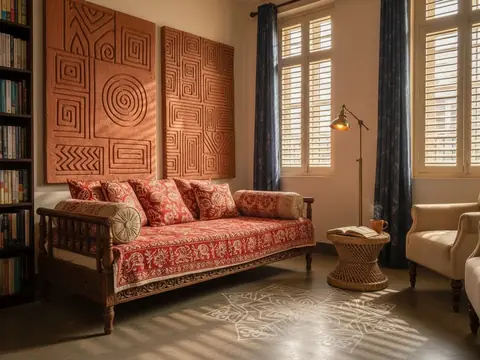 Bengal ArtisanKantha textiles, terracotta craft and intellectual old-Kolkata warmth.
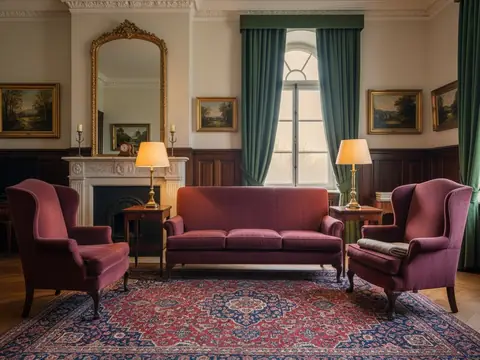 Traditional18th–19th-century Europe: carved dark wood, silk, velvet, brass, symmetry and moulding.
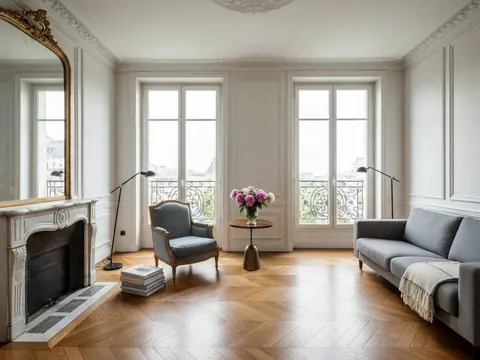 Parisian ChicHaussmann apartment: herringbone floor, tall mouldings, gilt mirror, modern pieces.